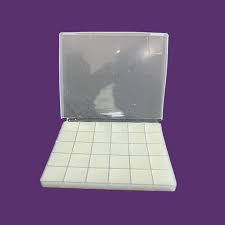
Description
Ketamine Troches
Everything You Need to Know About Ketamine Troches
Ketamine, originally developed as a dissociative anesthetic, has emerged in recent years as a powerful treatment for various mental health conditions. Among its many forms,ketamine troches—also known asketamine lozenges—have become increasingly popular due to their ease of use, effectiveness, and minimal invasiveness. Because of their sublingual delivery system and steady absorption, ketamine troches are now frequently prescribed for treating depression, anxiety, PTSD, and chronic pain.
In this in-depth guide, we will cover everything you need to know about ketamine troches. From their origin and mechanism of action to usage protocols, benefits, risks, legality, and therapeutic potential, we will leave no stone unturned. So, whether you’re a curious patient, healthcare provider, or psychonaut, this resource is designed to provide valuable insight in a language that’s both informative and accessible.
Table of Contents
-
What Are Ketamine Troches?
-
History of Ketamine in Medicine
-
How Ketamine Troches Work
-
Common Medical Uses
-
Psychiatric Benefits
-
Ketamine Troches vs. Other Ketamine Forms
-
Proper Administration of Ketamine Troches
-
Dosing Guidelines
-
Duration and Onset of Effects
-
What to Expect During a Troche Session
-
Therapeutic Protocols and Integration
-
Side Effects and Risks
-
Harm Reduction and Safety Tips
-
Ketamine and Neuroplasticity
-
Legality and Access
-
Storage and Shelf Life
-
Is It Right for You?
-
Frequently Asked Questions (FAQs)
-
Conclusion: The Future of Ketamine Troches
What Are Ketamine Troches?
Ketamine troches, or lozenges, are small medicated tablets that dissolve under the tongue or between the cheek and gum. They are formulated to allowsublingual or buccal absorption, meaning that the drug enters the bloodstream directly through the mucous membranes. Because this method bypasses the digestive system, it leads tofaster onsetandmore efficient absorptioncompared to oral pills.
Moreover, troches arecustom-compounded, which means they are typically made in specialized compounding pharmacies based on the individual patient’s needs. This tailored approach enhances both safety and efficacy, especially when used as part of a broader mental health treatment plan.
History of Ketamine in Medicine
Ketamine was first synthesized in 1962 and approved for human use by the FDA in 1970. Initially, it was used extensively in emergency and battlefield settings because of itsrapid-acting and dissociative anesthetic properties. Over time, however, researchers discovered that sub-anesthetic doses of ketamine could produceprofound antidepressant effects, especially in treatment-resistant individuals.
Notably, studies in the early 2000s began to show that low-dose ketamine could alleviate depression symptomswithin hours, unlike traditional SSRIs that may take weeks. This revelation catalyzed a wave of off-label use and clinical exploration, eventually leading to the development of diverse delivery forms, includingIV infusions, nasal sprays, and troches
How Ketamine Troches Work
Ketamine primarily acts as anNMDA receptor antagonist, though it also interacts with opioid receptors, dopamine receptors, and AMPA receptors. By blocking the NMDA receptor, ketamine enhancesglutamate transmission, which in turn promotessynaptic plasticity—a key factor in mood regulation, memory, and learning.
Additionally, ketamine facilitates the release ofbrain-derived neurotrophic factor (BDNF), helping to “rewire” damaged neural pathways often seen in depression, PTSD, and chronic anxiety. Because troches dissolve slowly and are absorbed sublingually, they offer asteady release of ketamine, leading to sustained therapeutic effects with fewer side effects compared to rapid-onset methods like IV infusion.
Common Medical Uses Of Ketamine Troches
While ketamine troches are primarily prescribed formental health conditions, their uses are wide-ranging. Some of the most common include
-
Treatment-resistant depression
-
Generalized anxiety disorder (GAD)
-
Post-traumatic stress disorder (PTSD)
-
Bipolar depression
-
Obsessive-compulsive disorder (OCD)
-
Chronic pain syndromes (e.g., fibromyalgia, CRPS)
Additionally, some clinicians may recommend troches foroff-label use, such as enhancing psychotherapy, promoting spiritual insight, or managing end-of-life existential distress.
Psychiatric Benefits Of Ketamine Troches
What sets ketamine apart from conventional antidepressants is itsspeed and efficacy. Whereas SSRIs take weeks to months to work—often with limited success—ketamine troches can produce significant mood elevationwithin a single session
Furthermore, many patients experience:
-
Reduction in suicidal ideation
-
Enhanced emotional resilience
-
Greater cognitive flexibility
-
Increased motivation and clarity
-
Deeper self-awareness and introspection
In fact, when combined with integrative therapy, ketamine can catalyzelasting emotional breakthroughsthat go far beyond symptom suppression.
Ketamine Troches vs. Other Ketamine Forms
Although all forms of ketamine offer similar mechanisms of action, troches provide unique advantages. For instance:
| Form | Onset | Duration | Invasiveness | Ideal For |
|---|---|---|---|---|
| IV Infusion | 5–10 mins | 1 hour | High | Acute relief, clinical setting |
| Nasal Spray | 15–30 mins | 1–2 hours | Moderate | Home use, mild-moderate cases |
| Troches | 15–45 mins | 2–4 hours | Low | Ongoing therapy, maintenance |
| Intramuscular | 5–15 mins | 1–1.5 hours | Moderate-High | Supervised settings |
Clearly, troches offera balance between efficacy, comfort, and control, making them suitable for both clinical and at-home protocols (when properly prescribed).
Proper Administration of Ketamine Troches
Administering ketamine troches correctly is essential for both safety and effectiveness. Typically, the patient places the trocheunder the tongue or between the gum and cheek, allowing it to dissolve over 10 to 15 minutes. Swallowing the saliva too soon can reduce absorption and blunt the effects, so it’s advised tohold the dissolved contentsin the mouth as long as possible.
Dosing Guidelines
Ketamine dosing is highly individualized. However, general guidelines for troche use include:
-
Low dose (50–100 mg):Sub-perceptual, ideal for microdosing
-
Moderate dose (100–200 mg):Mild dissociation, mood enhancement
-
High dose (200–300 mg+):Full dissociation, suited for deep therapeutic work
Typically, patients start withlower dosesand titrate up based on therapeutic response. Moreover, clinicians often recommendtwice or thrice-weekly sessionsover several weeks to achieve cumulative benefits.
Duration and Onset of Effects
While IV ketamine acts rapidly, ketamine troches take a bit longer to kick in—usually15 to 45 minutes. However, they also offerlonger-lasting effects, typically2 to 4 hours, with mood improvements that may persist for several days or even weeks.
Additionally, many users report anafterglow effect, where emotional clarity and motivation remain elevated even after the peak experience has ended.
What to Expect During a Ketamine Troches Session
During a ketamine troche session, patients may experience:
-
Altered sensory perception
-
Visual or auditory distortions
-
A sense of floating or detachment
-
Emotional release or catharsis
-
Non-linear or spiritual thinking
Because of these profound effects, it’s crucial to have acalm, safe, and supportive setting, especially during the first few sessions.
Therapeutic Protocols and Integration
Therapy and integration unlock ketamine’s full potential. After the session, patients journal their thoughts, reflect on insights, and discuss their experience with a trained therapist. This integrative model helpstranslate dissociative visions into real-world healing, ensuring that the emotional and psychological benefits last well beyond the initial dose.
Side Effects and Risks
Although ketamine is generally well-tolerated, it does come with some side effects, including:
-
Nausea or dizziness
-
Mild confusion
-
Dry mouth
-
Elevated blood pressure
-
Dissociation or detachment
-
Emotional vulnerability post-session
More seriously, frequent or unsupervised use can lead totolerance, dependence, orbladder toxicity(though this is rare with troches when taken as prescribed).
Harm Reduction and Safety Tips
To minimize risk:
-
Only use ketamine under medical supervision
-
Avoid alcohol or other CNS depressants
-
Take sessions in a calm, safe environment
-
Use a trip-sitter if doing it at home
-
Stay hydrated and rest post-session
Remember, more is not always better. Controlled, intentional use yields the best results.
Ketamine Troches and Neuroplasticity
One of the most exciting aspects of ketamine therapy is its ability topromote neuroplasticity. This means the brain becomes more adaptable, open to change, and better able to form new pathways. As a result, patients often experience:
-
Breakthroughs in therapy
-
Faster cognitive healing
-
Rewiring of negative thought patterns
This neurobiological reset helps patients escape cycles of despair and reconnect with a sense of purpose.
Legality and Access
In most countries, including theUnited States, Canada, UK, and Australia, ketamine is aSchedule III controlled substance, legal forprescription use only. Troches are often prescribed bypsychiatrists, pain specialists, or ketamine clinicsand filled bycompounding pharmacies
Access generally requires a medical evaluation and diagnosis of a qualifying condition, such as major depression or chronic pain.
Storage and Shelf Life
Ketamine troches should be stored in acool, dry placeaway from direct sunlight. When stored properly they typically last3 to 6 monthsthough checking with your compounding pharmacy for specific expiration is always advised.
Is It Right for You?
Ketamine troches are not for everyone. However, they may be ideal if you:
-
Struggle with treatment-resistant depression
-
Want an at-home psychedelic option
-
Prefer gradual onset over IV infusion
-
Are willing to engage in therapy and integration
Nevertheless, those with a history of psychosis, schizophrenia, or substance abuse should avoid ketamine or use it only under strict supervision.
Frequently Asked Questions (FAQs)
Q: How fast do ketamine troches work?
A: Effects begin within 15–45 minutes and last 2–4 hours.
Q: Are they addictive?
A: While ketamine has abuse potential, medical use under supervision is generally safe.
Q: Can I drive after using ketamine troches?
A: Absolutely not. You must wait until all psychoactive effects have worn off.
Q: Do ketamine troches cause hallucinations?
A: They can cause visual distortions or visions, especially at higher doses.
Conclusion: The Future of Ketamine Troches
In summary,ketamine troches represent a groundbreaking optionin mental health care. Combining effectiveness, convenience, and versatility, they offer a valuable alternative for those seeking relief from depression, anxiety, PTSD, and more. Moreover, when paired with psychotherapy and proper integration, the healing potential of ketamine troches can be truly life-changing.
As research continues to expand and access becomes more widespread, it’s clear that ketamine troches are not just a trend—they are a vital part of the future of psychedelic medicine.

Reviews
There are no reviews yet.