Description
DMT Crystal
Everything You Need to Know About DMT Crystal: A Complete Guide to the Spirit Molecule
Introduction: Unveiling the Mystery of DMT Crystal
In the realm of psychedelic exploration, few substances are as revered, mysterious, and transformative asDMT Crystal, also known asN,N-Dimethyltryptamine. Often referred to as the“Spirit Molecule,”DMT is widely recognized for its capacity to induce intensely vivid, otherworldly experiences that go beyond language and logic. Unlike many other psychedelics, DMT has a unique ability to launch users into immersive alternate realities—frequently described as deeply spiritual, alien, or even divine.
Because of its extreme potency and short duration, DMT stands in a class of its own. Nevertheless, it continues to attract spiritual seekers, scientists, psychonauts, and mental health professionals alike. In this ultimate guide, you will discover everything you need to know about DMT Crystal—from its chemical makeup to its effects, benefits, risks, legality, methods of consumption, and safe use practices.
What is DMT Crystal?
Definition and Chemical Composition
To begin with,DMT (N,N-Dimethyltryptamine)is a naturally occurringtryptamine alkaloidthat belongs to the same chemical family as serotonin and melatonin. Its molecular formula isC12H16N2, and it is structurally similar to both endogenous neurotransmitters and other psychedelic substances such as psilocybin and LSD.
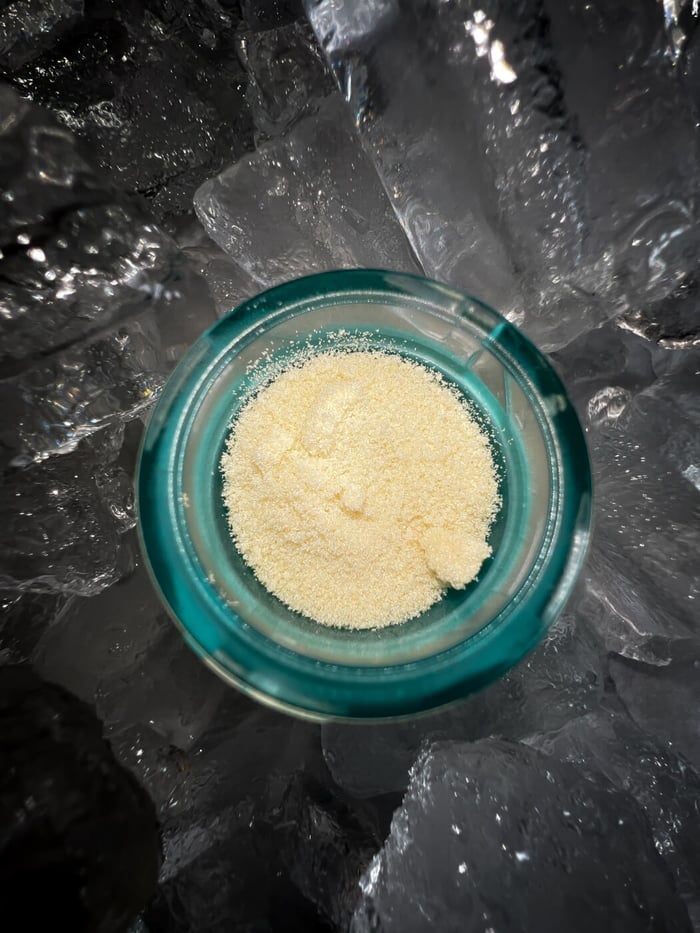
In itscrystallized form, DMT appears as a white to yellowish powder or crystal, depending on its purity and the extraction method used. This form is commonly vaporized or smoked, resulting in an almost instantaneous onset of powerful psychedelic effects.
Natural Sources of DMT Crystal
Interestingly, nature contains abundant amounts of DMT, especially in plant species likePsychotria viridisMimosa hostilisAcacia confusa, and many others. Mammals, including humans, also produce small amounts of DMT naturally. Although researchers have not yet fully understood DMT’s physiological role in the human body, many believe it plays a part in dreaming, near-death experiences, and mystical states.
The DMT Crystal Experience: What to Expect
Rapid Onset and Duration
One of the most striking features of DMT Crystal is itsfast-acting nature. After inhalation, users typically feel the effectswithin seconds, with the peak occurring around2 to 5 minutesand the overall experience lasting approximately10 to 20 minutes
Despite its short duration, the DMT trip isintensely immersiveand often feels much longer than it actually is. Time becomes distorted, and users may feel like they’ve spent hours or even lifetimes in an entirely different dimension.
Common Visual and Sensory Effects Of DMT Crystal
When vaporized or smoked, DMT Crystal often leads to:
-
Complex geometric patterns and fractals
-
Vibrant, color-saturated visual distortions
-
A sensation of being pulled or launched into another realm
-
Encounters with strange beings or “entities”
-
Auditory hallucinations, buzzing, or high-pitched frequencies
Although each experience is unique, these common themes appear in reports across cultures and individuals worldwide.
Ego Dissolution and Spiritual Revelation
Beyond the dazzling visuals, many users describe a profoundego death, where the sense of individual self dissolves entirely. This can lead to:
-
Feelings of universal connectedness
-
Encounters with a “divine intelligence” or cosmic source
-
Emotional release or catharsis
-
Transcendence of time, space, and identity
As a result, the DMT experience is frequently described aslife-alteringordeeply healing, often prompting users to re-evaluate their beliefs, goals, and relationships.
How DMT Works in the Brain
Interaction with Serotonin Receptors
From a neuroscientific perspective, DMT acts primarily as apowerful agonistat the5-HT2A serotonin receptorsin the brain. These receptors are responsible for regulating mood, perception, and cognition. By stimulating them, DMT radically alters sensory input, thought patterns, and emotional processing.
Moreover, DMT may interact with sigma-1 receptors, which are involved in neuroplasticity and cellular stress regulation. This could partially explain itstherapeutic potentialand its profound impact onconsciousness
Methods of Consumption
Vaporizing or Smoking DMT Crystal
The most popular method of using DMT Crystal is throughvaporization. When vaporized correctly—usually between160–180°C (320–356°F)—the substance delivers a highly concentrated dose directly to the bloodstream through the lungs.
Common tools for vaporizing include:
-
Glass vapor pipes (aka “meth pipes”)
-
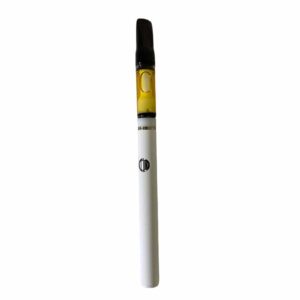
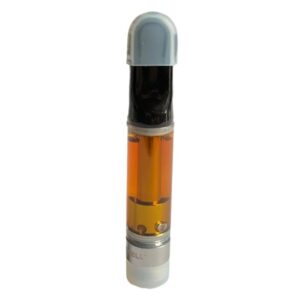
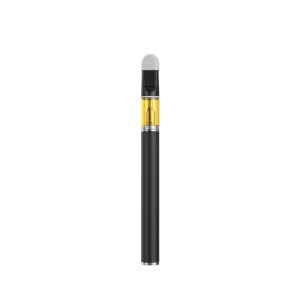
Vaporizer pens with DMT-specific cartridges
-
“Machine” pipes designed to prevent burning
Changa: A Smokable DMT Blend
Changais a smokable blend of DMT-infused herbs (like Banisteriopsis caapi), offering a smoother and slightly longer experience. Because it containsMAOIs, changa slows the breakdown of DMT, allowing the trip to last longer and feel more ceremonial.
Ayahuasca and Pharmahuasca
When taken orally, DMT must be combined withmonoamine oxidase inhibitors (MAOIs), or else it will be broken down in the digestive tract. TraditionalAyahuasca, brewed by Amazonian shamans, is a prime example of this combination.
Alternatively,Pharmahuascais a modern, lab-based version that combines synthetic DMT and a pharmaceutical MAOI like harmaline.
Benefits and Therapeutic Potential
Spiritual Awakening and Inner Healing
One of the most cited benefits of using DMT Crystal isspiritual insight. Many users report experiencing a direct connection to source consciousness, divinity, or universal love. This can foster:
-
Increased empathy and compassion
-
A deeper understanding of life and death
-
The release of psychological trauma
Mental Health Applications
Emerging research is beginning to suggest that DMT may hold promise in treating:
-
Treatment-resistant depression
-
Anxiety and existential distress
-
Post-traumatic stress disorder (PTSD)
-
Substance addiction
Although human trials are still limited, early findings are promising. Consequently, several psychedelic research institutions are now investigatingshort-acting tryptamineslike DMT as fast-acting antidepressants.
Risks and Safety Precautions
Psychological Risks
Because DMT Crystal produces such intense and unpredictable experiences,psychological risksare an important concern. These may include:
-
Intense fear or anxiety during the experience
-
Re-traumatization or resurfacing of past emotional wounds
-
Disorientation or confusion afterward
-
Difficulty integrating the experience into everyday life
For this reason, it is crucial to approach DMT withrespect, preparation, and intention
Physical Safety and Contraindications
Although DMT isnon-toxicand not physically addictive, certain precautions should still be taken. Individuals with heart conditions, severe psychiatric disorders (like schizophrenia), or those taking medications such asSSRIs or MAOIsshould avoid DMT use without professional guidance.
Importance of Set, Setting, and Sitter
Why Context Matters So Much
As with all psychedelics, theset (mindset)andsetting (environment)play a crucial role in shaping the outcome of a DMT journey. To reduce the risk of a negative experience and maximize its healing potential, one should:
-
Be emotionally prepared and mentally stable
-
Choose a safe, quiet, and comfortable location
-
Have a trusted, sober sitter nearby for safety
Even though the trip may last only 10 to 20 minutes, the effects can be overwhelming. Therefore, the presence of a calm, grounded individual can make all the difference.
Legal Status of DMT Crystal
Is DMT Legal?
Unfortunately, DMT is classified as aSchedule I controlled substancein many parts of the world, including:
-
United States
-
United Kingdom
-
Canada
-
Australia
This classification means it is illegal to manufacture, possess, or distribute DMT, except for sanctioned religious or scientific purposes.
However, in some countries such asBrazilandPeru, traditional Ayahuasca ceremonies are legally protected due to indigenous religious rights. Moreover, ongoing discussions in psychedelic policy reform may influence DMT’s legal status in the future.
Ethical and Environmental Considerations
Sustainable Sourcing of DMT Crystal
The popularity of DMT has led to increased demand for plants likeMimosa hostilis, resulting in overharvesting and ecological degradation. Consequently, sourcing DMT responsibly is becoming a top priority among ethical psychonauts.
Whenever possible, consider:
-
Usinglab-synthesized DMTto reduce environmental impact
-
Avoiding poached or endangered plant sources
-
Supporting sustainable and indigenous-led initiatives
DMT vs Other Psychedelics
DMT vs 5-MeO-DMT
While both are tryptamines,5-MeO-DMTandN,N-DMTdiffer significantly. DMT offersvivid, detailed visuals and entity contact, whereas 5-MeO-DMT tends to producenon-visual, ego-dissolving experiences. Both are powerful in their own right, but they serve different purposes in the psychedelic landscape.
DMT vs Psilocybin and LSD
Compared to mushrooms and LSD, DMT is:
-
Muchshorter in duration
-
Farmore intense per minute
-
Less controllable and more unpredictable
-
Better suited fordeep divesrather than long journeys
Because of this, it appeals to those seeking quick yet profound spiritual insights.
Integration: Making Sense of the Experience
Why Integration is Essential
Due to the depth of the DMT experience, it can be difficult to return to normal life without feeling confused or overwhelmed. That’s whyintegration practicesare so important—they help you process and apply what you’ve experienced in meaningful ways.
How to Integrate a DMT Crystal Journey
Some effective integration practices include:
-
Journalingthoughts, images, and emotions after the trip
-
Talking to a therapistor integration coach
-
Meditatingon specific insights or messages received
-
Creating art or musicinspired by the experience
By taking the time to integrate your DMT journey, you ensure that the transformation continues long after the molecules have left your system.
Conclusion: Is DMT Crystal Right for You?
In summary,DMT Crystal is not a recreational substance. Rather, it is asacred catalyst for transformation, offering unparalleled access to expanded states of consciousness and spiritual revelation. For those who are well-prepared, intentional, and supported, DMT can open doors to healing, awakening, and self-realization.
However, this powerful compound demands respect. It is not suitable for everyone and must be approached with caution, responsibility, and humility. If you’re ready to explore the infinite, DMT may offer you the most profound experience of your life.
Frequently Asked Questions (FAQs)
Is DMT addictive?
No. DMT does not produce physical dependence or cravings and is not considered addictive.
Can DMT be detected in drug tests?
Most standard drug tests do not screen for DMT, although specialized tests can detect it.
Can I die from smoking DMT Crystal?
DMT has a high safety profile and is not lethal at recreational doses. However, accidents can occur due to disorientation.
Are there any legal ways to try DMT?
Yes, through religious Ayahuasca ceremonies in countries where it is protected, or clinical trials under proper supervision.
Reviews
There are no reviews yet.