Vietnamese Magic Mushrooms: A Buyer’s Guide to Strains, Potency, and Responsible Sourcing
Vietnamese Magic Mushrooms are a Psilocybe cubensis variety that originated in the humid, tropical climate of Vietnam. This product guide covers what buyers should know before ordering—strain characteristics, potency expectations, cultivation difficulty, and how to source responsibly in the United States. Because psilocybin mushrooms remain federally controlled substances in the U.S., this guide focuses on education, harm reduction, and legal considerations rather than instructions for illegal activity.
If you are comparing psychedelic mushroom strains, start with our strain guide and educational resources at Psychedelicsy to understand how Vietnamese mushrooms fit into the broader landscape of Psilocybe cubensis varieties.
What Are Vietnamese Magic Mushrooms?
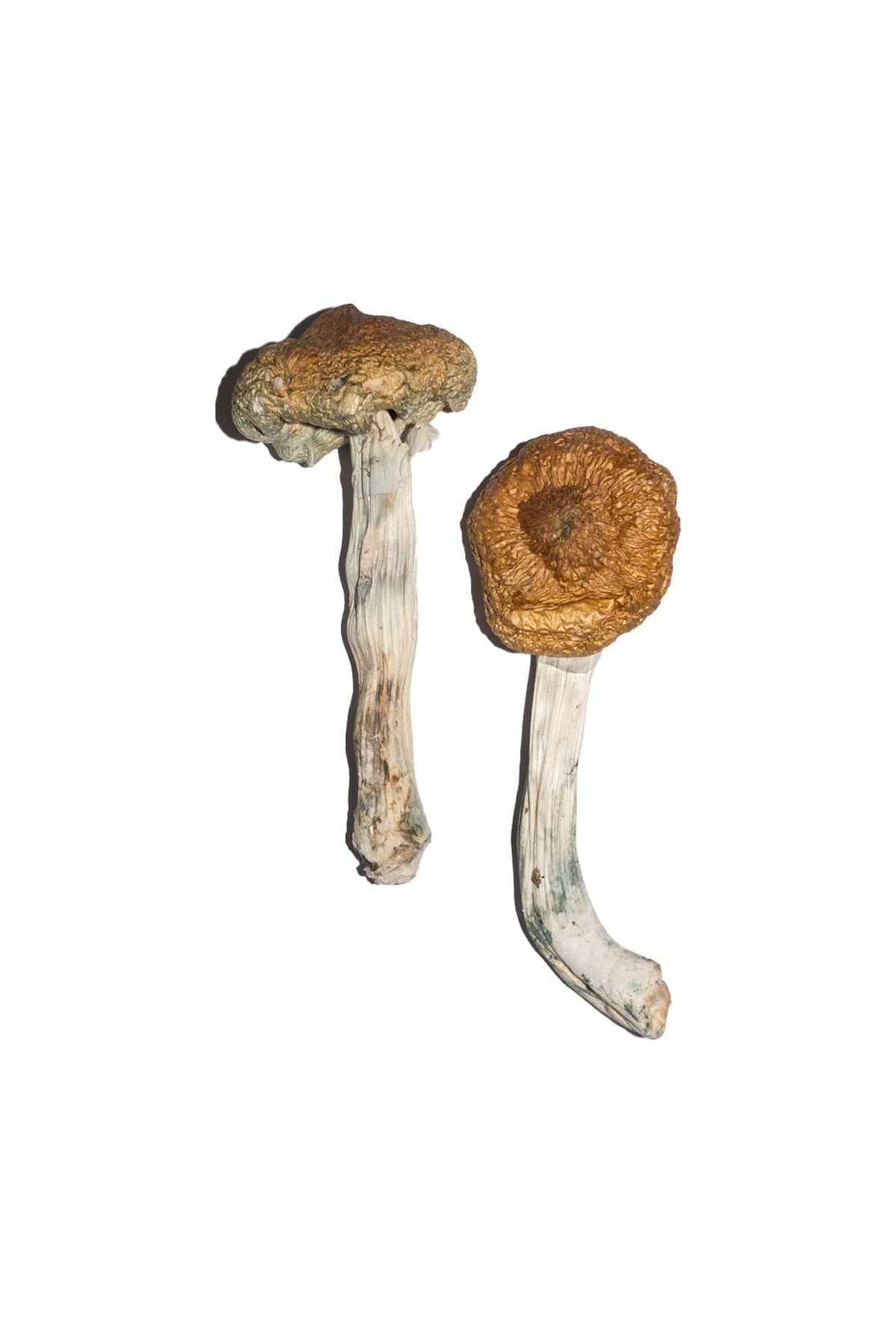
Vietnamese magic mushrooms are a naturally occurring Psilocybe cubensis strain collected from tropical regions of Vietnam. They thrive in warm, humid environments and produce medium-to-large fruiting bodies with golden-brown caps and pale stems. Like other Psilocybe cubensis strains, they contain psilocybin and psilocin—the compounds responsible for psychedelic effects—which makes them a controlled substance in the United States.
Growers and collectors prize this strain for its resilience in tropical conditions, its visual appeal, and its reputation as a reliable, moderately potent cubensis variety.
Origins and Identification
The strain is often associated with tropical Southeast Asian climates, where high humidity and warm temperatures create ideal fruiting conditions. Identification features typically include a convex-to-flat golden cap, a persistent partial veil, and blue bruising on the stem when handled. As with all wild mushrooms, collectors should never rely on visual identification alone for edibility or consumption decisions.
Key Characteristics at a Glance
| Feature | Typical Description |
|---|---|
| Species | Psilocybe cubensis |
| Climate preference | Warm, humid, tropical |
| Difficulty | Beginner to intermediate (varies by grower) |
| Cap appearance | Golden-brown, convex to flat |
| Potency | Reported as moderate; varies by specimen |
| Best use case | Educational study, microscopy, strain comparison |
Potency varies widely between individual mushrooms, flushes, and growing conditions. Never treat any strain as having a fixed, predictable dose—that assumption is a common source of adverse experiences.
Why Buyers Choose This Strain
Enthusiasts often compare Vietnamese mushrooms against other cubensis classics such as Golden Teacher, B+, and Thai strains. Vietnamese genetics appeal to people who want a tropical-lineage cubensis that performs well in warm conditions and offers a distinctive appearance.
- Tropical resilience: Suited to warm, humid setups where cooler-climate strains may struggle.
- Distinctive phenotype: Golden caps and robust stems make it easy to track in a collection.
- Comparison value: Useful for growers and researchers studying regional cubensis lineages.
- Moderate reputation: Often described as a steady, approachable cubensis experience in community reports.
How It Compares to Other Cubensis Strains
Golden Teacher and B+ are frequently recommended to newcomers, while Thai and Vietnamese strains sit in a similar tropical-cubensis category. If your interest is microscopy or strain comparison, browse our collection of psychedelic mushroom strain profiles to see side-by-side characteristics.
Potency, Effects, and Important Safety Considerations
Community reports describe Vietnamese cubensis as moderately potent, though this is anecdotal rather than laboratory-verified. Effects associated with psilocybin generally include altered perception, visual distortion, euphoria, and shifts in mood—and, less comfortably, anxiety, confusion, or nausea in some users.
Set, setting, and dosage matter far more than strain name. Anyone considering use should review harm-reduction guidance. The U.S. National Institute on Drug Abuse publishes psilocybin research and health information that explains potential risks and current scientific understanding.
Never combine psilocybin with alcohol or other substances, and never consume mushrooms based on a vendor’s potency claim alone. People with a personal or family history of psychosis, heart conditions, or who are pregnant should avoid use entirely.
Legal Status in the United States
Psilocybin and psilocin are Schedule I controlled substances under federal law, making the sale, possession, and cultivation of magic mushrooms illegal at the federal level. Some states and cities have decriminalized or created regulated frameworks for certain uses—Oregon and Colorado, for instance, have established legal programs—but these vary significantly.
Check the DEA’s controlled substances information and your own state laws before making any purchasing decision. A vendor’s presence online does not make a transaction legal, and buyers are responsible for understanding local rules.
How to Evaluate a Seller Before Ordering
Transactional buyers should treat sourcing like any high-stakes purchase: verify, compare, and stay skeptical.
- Check transparency. Look for clear educational content, contact information, and realistic product descriptions rather than exaggerated potency claims.
- Review reputation signals. Cross-reference independent reviews and community discussions; be wary of testimonials that cannot be verified.
- Understand shipping and legal risk. Know what your state allows and what personal risk you accept. No vendor can shield a buyer from federal law.
- Confirm product detail. Ask about genetics, harvest date, storage conditions, and any testing claims—and treat unsupported “lab-tested” claims as marketing until proven.
- Start with education. Use the free educational resources at Psychedelicsy to learn handling, storage, and safety basics before committing.
Storage and Handling Basics
Dried mushrooms degrade with moisture, heat, and light. Store them in an airtight container with a desiccant in a cool, dark place, and handle them minimally to limit bruising. Anyone pursuing legal research or licensed programs should follow their jurisdiction’s specific handling rules.
Common Mistakes Buyers Make
- Chasing the “strongest” strain instead of understanding dose and setting.
- Trusting unverifiable potency percentages or lab claims.
- Ignoring state law because a website accepts an order.
- Overbuying without a storage plan, causing degradation and waste.
- Assuming strain names guarantee consistent effects—they don’t.
Frequently Asked Questions
Are Vietnamese magic mushrooms stronger than Golden Teacher?
Reports suggest moderate potency similar to or slightly above many cubensis strains, but no reliable universal ranking exists. Effects depend heavily on dose, specimen, and individual response.
Where do Vietnamese magic mushrooms grow in the wild?
They are associated with tropical Southeast Asian environments, particularly warm, humid areas with decaying organic matter. Wild foraging is risky and not recommended for identification-based consumption.
Can I legally buy Vietnamese magic mushrooms in the U.S.?
Not under federal law—psilocybin remains Schedule I. Some state and local jurisdictions have decriminalized or regulated certain uses, so verify current local rules.
What is the best way to store dried mushrooms?
An airtight container, desiccant pack, cool dark location, and minimal handling preserve quality best.
Are Vietnamese mushrooms good for beginners?
The strain is often considered beginner-friendly for growers, but beginners should prioritize harm-reduction education, accurate dosing information, and legal compliance before any use.
Can I verify a vendor’s lab-testing claims?
Only if the vendor provides a verifiable certificate from a recognized lab. Treat unlinked or vague testing claims with skepticism.