
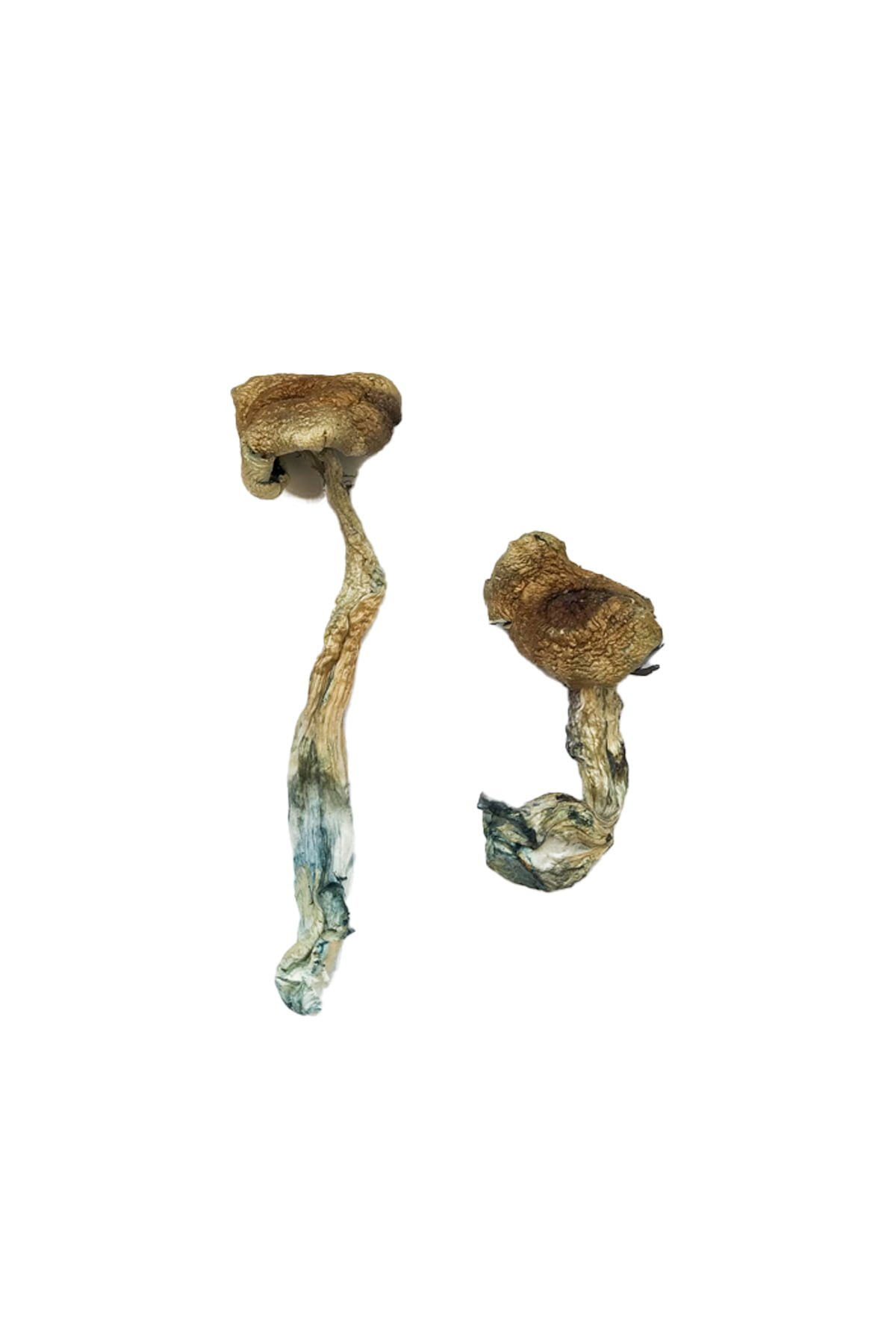
Texas Yellow Cap Magic Mushrooms: A Buyer’s Guide to This Rare Texas Strain
Texas Yellow Cap magic mushrooms are a sought-after Psilocybe cubensis variety known for their golden-yellow caps, sturdy stems, and reputation as a resilient, fast-colonizing strain. Buyers in the United States searching for this cultivar usually want three things: a clear description of what they’re getting, dependable sourcing, and straight talk about potency, legality, and cultivation. This guide covers all three so you can decide whether the Texas Yellow Cap fits your needs before you order.
At Psychedelicsy, we treat product pages as reference material, not just sales copy. Everything below reflects how this strain is generally described in cultivation and mycology communities, along with the practical details that matter to U.S. buyers.
What Are Texas Yellow Cap Magic Mushrooms?
The Texas Yellow Cap is a Psilocybe cubensis strain associated with the warm, humid climate of Texas and the Gulf Coast region. Like other cubensis varieties, it produces psilocybin and psilocin, the compounds responsible for its psychoactive effects. The “Yellow Cap” name comes from the strain’s characteristic cap color—a warm golden-yellow that often develops as the mushroom matures and the cap flattens.
Growers prize it partly for its toughness. The strain is often described as tolerant of warmer temperatures and less fussy than some exotic cubensis varieties, which makes it a reasonable choice for cultivators who are past their first grow. For collectors and researchers, the visual profile—a caramel-to-gold cap over a thick, pale stem—is part of the appeal.
Texas Yellow Cap vs. Other Cubensis Strains
Compared with well-known varieties like Golden Teacher or B+, the Texas Yellow Cap tends to be described as a moderate-to-strong strain, though potency varies with genetics, substrate, and harvest timing. It is not typically grouped with the most potent cubensis cultivars, but it is not considered a beginner-light strain either. If you are comparing options, our guide to popular magic mushroom strains breaks down how these varieties differ.
Key Features at a Glance
- Species: Psilocybe cubensis
- Cap: Golden to caramel-yellow, convex when young, flattening with age
- Stem: Thick, pale, and substantial
- Climate preference: Warm, humid conditions; associated with Texas and the Gulf Coast
- Cultivation reputation: Hardy, fast-colonizing, forgiving of warmer temperatures
- Potency: Generally reported as moderate to strong; varies by batch
These are descriptive traits, not guarantees. Mushroom appearance and performance depend heavily on genetics, substrate, and environmental conditions.
Why Buyers Choose the Texas Yellow Cap
Most people searching for Texas Yellow Cap magic mushrooms fall into one of two groups: cultivators looking for a reliable spore or culture source, and researchers or collectors interested in the strain’s history and characteristics. The strain’s reputation for vigorous growth and its distinctive look make it a common pick for intermediate growers who want a strain that tolerates warmer rooms.
Demand is also driven by scarcity. Compared with mainstream strains, the Texas Yellow Cap appears less frequently in retail catalogs, so finding a supplier who clearly documents what they’re selling matters. Before ordering from any vendor, read the shipping and lab standards that apply to your state.
Who This Strain Suits
- Intermediate cultivators who want a hardy cubensis with a recognizable look
- Researchers studying regional cubensis varieties and their morphology
- Collectors building a library of distinct Psylocibe cubensis genetics
Beginners should start with detailed cultivation references before committing to any strain, and anyone new to psychedelics should understand the legal landscape first.
Potency, Effects, and What to Expect
User reports generally describe the Texas Yellow Cap experience as visual and introspective, with a moderate onset and a steady arc. Effects commonly mentioned include enhanced color perception, mild euphoria, and a reflective headspace. As with all cubensis strains, potency is not fixed: two batches of the same strain can differ noticeably.
Important Safety and Legality Notes
Psilocybin and psilocin are Schedule I controlled substances under U.S. federal law, and most states restrict their sale, possession, and cultivation. A limited number of jurisdictions have decriminalized or regulated certain uses, but rules vary widely and change over time. Verify the current law in your state and locality before purchasing anything. You can review federal scheduling information through the U.S. Drug Enforcement Administration and general species background via Wikipedia’s Psilocybe cubensis entry.
Nothing here is medical advice. Psychedelics carry risks, including anxiety, disorientation, and interactions with some medications. People with a personal or family history of psychosis should avoid them.
How to Evaluate a Texas Yellow Cap Supplier
Because the strain is less common than mainstream cubensis varieties, sourcing quality is the biggest variable. A trustworthy supplier should state exactly what form the product takes—spores, culture, or dried fruiting bodies—and describe how it is handled.
What to Check Before You Order
- Clear product labeling. Species, strain name, and form should be explicit.
- Visible policies. Shipping restrictions by state, refund terms, and contact channels should be easy to find.
- Realistic claims. Any vendor promising guaranteed potency or specific effects is overstating what is knowable.
- Secure checkout. Look for standard encryption and recognizable payment protections.
- Responsive support. Ask a question before buying and see how the team answers.
Reading customer guidance and product policies before checkout saves time and reduces the chance of a shipment issue.
Cultivation Basics for the Texas Yellow Cap
If you are growing this strain, the fundamentals are the same as with other Psilocybe cubensis varieties, with a few adjustments for its warm-climate origins.
Temperature and Humidity
The Texas Yellow Cap is often described as tolerant of warmer conditions than many cubensis strains, but it still performs best within moderate ranges. Consistent humidity and good air exchange matter more than chasing a specific number. Overheating a fruiting chamber invites contamination.
Substrate and Colonization
Coco coir and grain-based substrates are standard. Colonization is typically reported as fast, which is one reason intermediate growers like the strain, but speed also means contamination can spread quickly—sterility during inoculation is not optional.
Common Mistakes to Avoid
- Opening containers too early during colonization
- Misting the substrate directly instead of the chamber walls
- Skipping pasteurization steps
- Harvesting late, after spores drop and caps darken
For more detail, consult university extension resources on fungal cultivation and contamination control, such as materials from Cornell University’s mushroom resources.
Frequently Asked Questions
Are Texas Yellow Cap magic mushrooms legal in the United States?
Federally, no. Psilocybin-containing mushrooms are Schedule I substances. Some states and cities have decriminalized or regulated them, but the rules differ significantly by location and can change, so check your own jurisdiction.
How potent is the Texas Yellow Cap strain?
Reports generally place it in the moderate-to-strong range for Psilocybe cubensis, but potency depends on genetics, growing conditions, and harvest timing. No vendor can promise a specific strength.
Is the Texas Yellow Cap good for beginners?
It is often recommended for intermediate growers because of its vigor and heat tolerance. Beginners can succeed with it, but should study cultivation basics and contamination prevention first.
How is it different from Golden Teacher?
Golden Teacher is widely considered a gentler, beginner-friendly strain. The Texas Yellow Cap is typically described as hardier in warm conditions and somewhat stronger, though individual experiences vary.
What should I look for when buying?
Check that the seller clearly states the product form, lists state shipping restrictions, provides realistic descriptions, and offers responsive support. Avoid vendors making guaranteed-potency claims.
How fast does it colonize?
Cultivators commonly describe it as fast-colonizing, but timing varies with substrate, temperature, and genetics. Expect differences between batches.