Description
Ketamine Powder
Everything You Need to Know About Ketamine Powder
Ketamine powder is rapidly gaining attention across various fields—from medical therapy and mental health treatment to recreational and spiritual exploration. Although ketamine has existed for decades as an anesthetic, it is now recognized for its transformative effects on mood disorders, consciousness, and chronic pain. While forms like IV infusions and nasal sprays have dominated clinical settings,ketamine powderremains one of the mostversatile, potent, and widely used formatsin both medical and non-medical contexts.
In this definitive guide, we will explore everything you need to know about ketamine powder. We’ll cover its history, chemical profile, medical uses, dosing guidelines, administration methods, benefits, risks, legal status, and much more. So, whether you’re a mental health practitioner, an informed psychonaut, or a patient seeking alternative treatments, this guide will equip you with the crucial information you need.
Table of Contents
-
What Is Ketamine Powder?
-
Brief History and Discovery
-
How Ketamine Powder Works
-
Common Medical Uses
-
Ketamine Powder in Psychiatry
-
Ketamine Powder vs. Other Forms
-
Routes of Administration
-
Proper Dosage Guidelines
-
Effects of Ketamine Powder
-
Short-Term Benefits
-
Long-Term Benefits
-
Risks and Side Effects
-
Harm Reduction Strategies
-
Recreational Use and Abuse Potential
-
Legality Around the World
-
How to Store Ketamine Powder Safely
-
Ketamine Powder in Psychedelic Therapy
-
Frequently Asked Questions (FAQ)
-
Conclusion: Should You Use Ketamine Powder?
What Is Ketamine Powder?
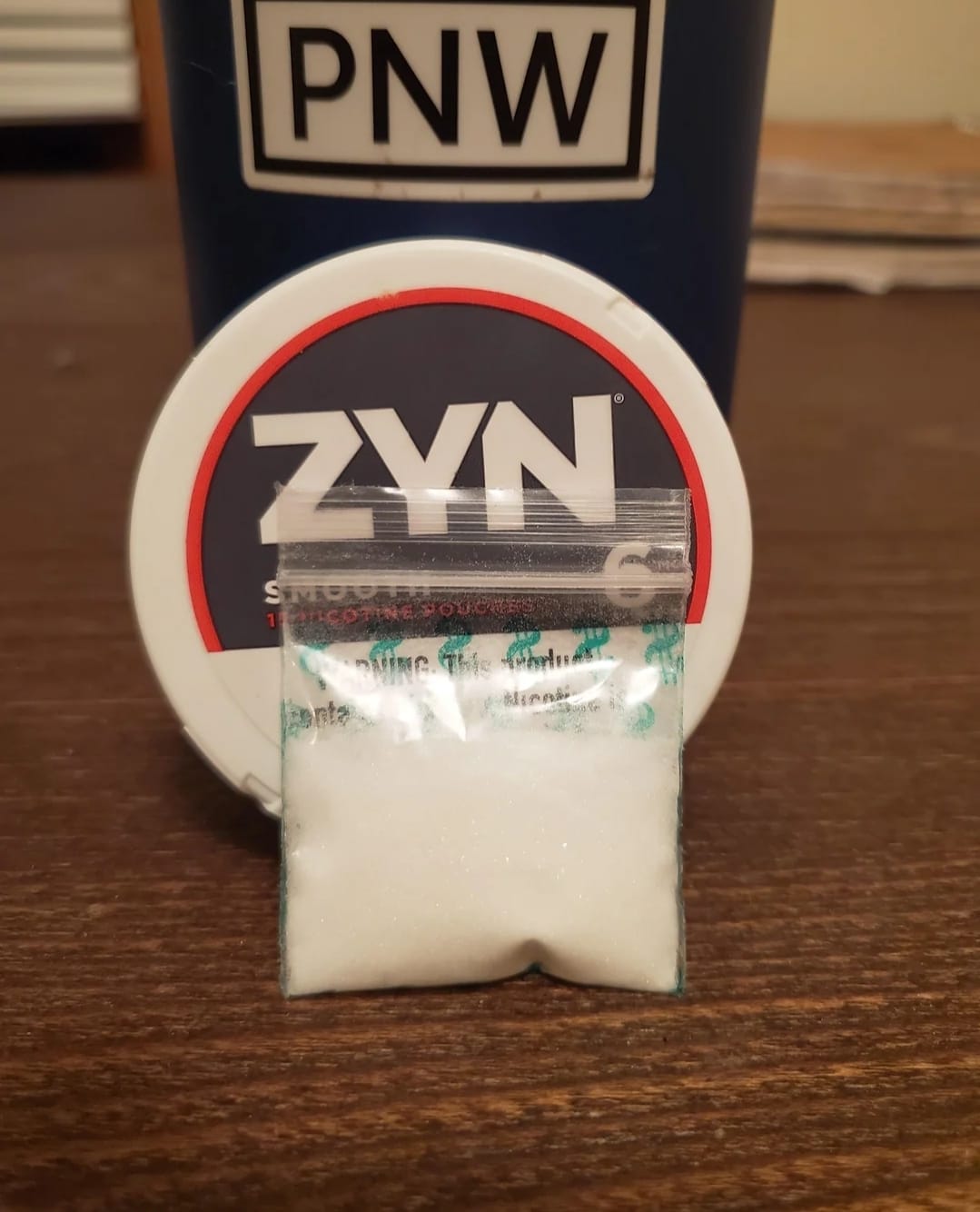
Ketamine powder is thefreebase or hydrochloride salt formof ketamine, usually found as awhite crystalline substance. It is primarily used for its dissociative, anesthetic, and rapid-acting antidepressant properties. In medical settings, it is typically diluted and administered via injection. However, in powder form, it can also be consumedorally, intranasally, or sublingually, depending on the intended use.
Because of its versatility and rapid effects, ketamine powder has become widely utilized acrossclinical, therapeutic, and recreational landscapes. Moreover, its relatively low cost and fast onset make it an attractive option for both professionals and self-explorers.
Brief History and Discovery
Ketamine was first synthesized in 1962 byCalvin Stevens, a chemist at Parke-Davis Laboratories, as a safer alternative to PCP (phencyclidine). It was approved for medical use in 1970 and quickly adopted bymilitary medicsandemergency roomsfor its powerful, fast-acting anesthesia.
Interestingly, throughout the 1990s and 2000s, researchers began exploring ketamine’santidepressant effects, leading to a revolutionary shift in how it was perceived. Although initially controversial due to its reputation as a “club drug,” ketamine eventually found a new identity as abreakthrough treatment for depression, PTSD, and chronic pain.
How Ketamine Works
Ketamine primarily acts as anNMDA (N-methyl-D-aspartate) receptor antagonist, disrupting the activity of glutamate, the brain’s primary excitatory neurotransmitter. By blocking NMDA receptors, ketamine enhancessynaptic plasticity, which enables the brain to form new neural pathways.
Moreover, ketamine increasesbrain-derived neurotrophic factor (BDNF)levels, promoting neurogenesis and emotional resilience. Its effects are unique because they occurwithin minutes to hours, unlike SSRIs or other antidepressants that often take weeks to work.
Common Medical Uses
Although ketamine powder isn’t usually administered directly in clinical settings (due to its street association), it is still thebase compound used to preparevarious formulations such as:
-
Intravenous ketamine
-
Intramuscular injections
-
Nasal sprays
-
Oral and sublingual lozenges
Clinically, ketamine is prescribed for:
-
Treatment-resistant depression
-
Anxiety and panic disorders
-
Post-traumatic stress disorder (PTSD)
-
Bipolar disorder (with depressive episodes)
-
Chronic neuropathic pain
-
Suicidal ideation
-
Substance use disorders (in emerging protocols)
Ketamine Powder in Psychiatry
Psychiatrists are increasingly integrating ketamine into treatment-resistant mental health care, especially when conventional options fail to provide relief. Not only does ketamine powder offer rapid-acting results, but it also presents a viable solution when other medications prove ineffective. In many cases, ketamine powder, when compounded into a safe and precisely measured format, serves as a key component during psychedelic-assisted therapy sessions. Furthermore, this is particularly true when clinicians require a sub-anesthetic dose to induce introspective, dissociative states that facilitate deeper therapeutic breakthroughs.
Moreover, low-dose ketamine, especially when combined with cognitive-behavioral therapy (CBT) or other talk therapies, can significantly enhance a patient’s openness to emotional exploration and psychological transformation. As a result, patients often experience faster emotional breakthroughs and a renewed sense of clarity. In this way, ketamine powder not only accelerates the healing process but also complements traditional therapeutic approaches.
Ketamine Powder vs. Other Forms
| Form | Pros | Cons |
|---|---|---|
| IV Infusion | Fast-acting, highly controlled | Expensive, requires clinical setting |
| Nasal Spray | Easy to use, moderate onset | Less bioavailable, may irritate nasal tissue |
| Lozenges | Gentle onset, good for home use | Slower, variable absorption |
| Powder | Versatile, customizable dosing | Risk of misuse, requires careful measurement |
Given these options, it becomes clear that ketamine powder offers a flexible, potent, and efficient alternative, especially for individuals seeking personalized dosing. Nevertheless, it demands more responsibility and medical oversight to ensure safe usage.
Routes of Administration
There are several ways to use ketamine powder, and each route presents its own benefits and drawbacks. For instance, intranasal use (snorting) offers a fast onset—usually within 5 to 10 minutes—and relatively high bioavailability. However, it may also irritate the nasal membranes.
Alternatively, sublingual administration (placing under the tongue) delivers a slower onset—usually 15 to 30 minutes—but provides a gentler experience. Although oral ingestion (swallowing) is the least effective due to liver metabolism, it results in a longer duration.
Moreover, intramuscular or intravenous injection delivers the most intense effects and is typically reserved for clinical settings. Thus, the chosen route should align with both the user’s goals and the context of use.
Proper Dosage Guidelines
Dosing ketamine powder properly is absolutely essential for a safe and effective experience. Although factors like body weight, individual sensitivity, and intention play a crucial role, general guidelines include:
- Microdose:5–15 mg – boosts mood and focus without dissociation
- Low dose:20–50 mg – produces mild effects and slight detachment
- Moderate dose:50–100 mg – provides introspection and light visuals
- High dose:100–150 mg – leads to dissociation and ego dissolution
- K-hole dose:150+ mg – triggers full dissociation and visionary states (not recommended for beginners)
Therefore, always start low and increase gradually, particularly when using ketamine powder outside of a supervised medical setting.
Effects of Ketamine Powder
Physical Effects
- Numbness or tingling
- Muscle relaxation
- Floating sensation
- Slurred speech
- Reduced coordination
Psychological Effects
- Dissociation from body or identity
- Visual distortions or hallucinations
- Time dilation
- Heightened introspection
- Emotional clarity or release
Generally, these effects last between 45 minutes to 2 hours, depending on the dose and administration method. However, the resulting mood elevation and cognitive shifts can persist for several days.
Short-Term Benefits
The immediate benefits of ketamine powder—especially in therapeutic contexts—can be remarkably profound. For instance, many patients report rapid relief from depressive symptoms within hours. Additionally, it can interrupt suicidal ideation, reduce anxiety, and lower emotional reactivity.
Furthermore, ketamine often induces a mental reset or sense of clarity, allowing patients to better understand their thoughts and emotions. Moreover, the afterglow period typically brings increased emotional openness, improved communication, and stronger interpersonal connections.
Long-Term Benefits
With structured use, proper dosing, and consistent integration, long-term benefits of ketamine therapy may include:
- Improved neural plasticity
- Increased resilience to stress
- Reduced frequency of depressive relapses
- Enhanced creativity and cognitive function
- Deepened self-compassion and emotional awareness
Because these benefits rely heavily on intention and integration, preparation and post-session reflection remain essential.
Risks and Side Effects
While ketamine is generally safe when administered responsibly, it can present several risks—especially with repeated or high-dose use. For instance, users may experience dizziness, nausea, confusion, or elevated blood pressure.
Additionally, frequent or prolonged use can lead to bladder irritation or toxicity, a rare but serious condition. Furthermore, psychological dependence may occur, though it remains uncommon when used within therapeutic frameworks.
Therefore, always weigh the potential benefits against known risks, and consult a healthcare provider when in doubt.
Harm Reduction Strategies
To minimize harm and ensure a positive experience:
- Use an accurate digital scale to measure doses
- Avoid combining ketamine with alcohol or sedatives
- Choose a calm, safe, and distraction-free environment
- Stay hydrated and get adequate rest beforehand
- Enlist a trusted trip-sitter or therapist for support
Additionally, post-session journaling and integration therapy help reinforce the emotional and psychological benefits while reducing the chance of emotional destabilization.
Recreational Use and Abuse Potential
Although ketamine powder offers legitimate medical and therapeutic value, recreational misuse can lead to significant consequences. Often referred to as “Special K” in club culture, ketamine is sometimes used for its dissociative and euphoric effects.
However, chronic recreational use increases the risk of cognitive decline, emotional detachment, and organ damage—particularly to the bladder and kidneys. Moreover, it may foster patterns of psychological escapism or dependency.
As a result, responsible, intentional, and well-informed use is not just recommended—it is absolutely essential.
-
Cognitive impairments
-
Bladder or kidney damage
-
Emotional detachment or apathy
-
Dependency patterns
Therefore, responsible use with clear intentions is not just suggested—it is essential.
Legality Around the World
The legal status of ketamine varies by country:
-
United States:Schedule III (prescription only)
-
Canada:Prescription drug; possession without Rx is illegal
-
UK:Class B drug; illegal without prescription
-
Australia:Schedule 8 controlled substance
-
Netherlands:Prescription-only; banned recreationally
Although ketamine is legal in medical settings,possession of powder without authorization is generally illegaland punishable under drug laws.
How to Store Ketamine Powder Safely
Proper storage ensures bothpotency and safety
-
Store in an airtight container
-
Keep in a cool, dry, dark place
-
Avoid exposure to moisture or heat
-
Clearly label the substance and store out of reach of others
When stored correctly, ketamine powder can last forseveral yearswithout losing effectiveness.
Ketamine Powder in Psychedelic Therapy
Ketamine plays a unique role in theemerging field of psychedelic-assisted psychotherapy. Due to its dissociative yet emotionally revealing effects, therapists often use it to:
-
Dislodge rigid thought patterns
-
Access repressed emotions
-
Accelerate insight and healing
-
Facilitate trauma resolution
Combined with preparation and integration, ketamine can serve as apowerful catalyst for personal transformation
Frequently Asked Questions (FAQ)
Q: Is ketamine powder addictive?
A: Physical addiction is rare, but psychological dependence is possible with misuse.
Q: How fast does it work?
A: Effects begin within 5–30 minutes, depending on how it’s taken.
Q: Can I drive after using ketamine?
A: No. You must wait until all effects have fully worn off—usually several hours.
Q: Is ketamine legal?
A: Only with a prescription in most countries. Unauthorized possession is illegal.
Conclusion: Should You Use Ketamine Powder?
In conclusion,ketamine powder is a potent and highly adaptable formof a compound that’s revolutionizing mental health care. Whether used in clinical therapy, spiritual practice, or research, it offers powerful tools for healing and transformation. Nevertheless, it also demands respect, responsibility, and informed use.
When approached with care, intention, and proper integration, ketamine has the potential to change lives—for the better.

Reviews
There are no reviews yet.