Description
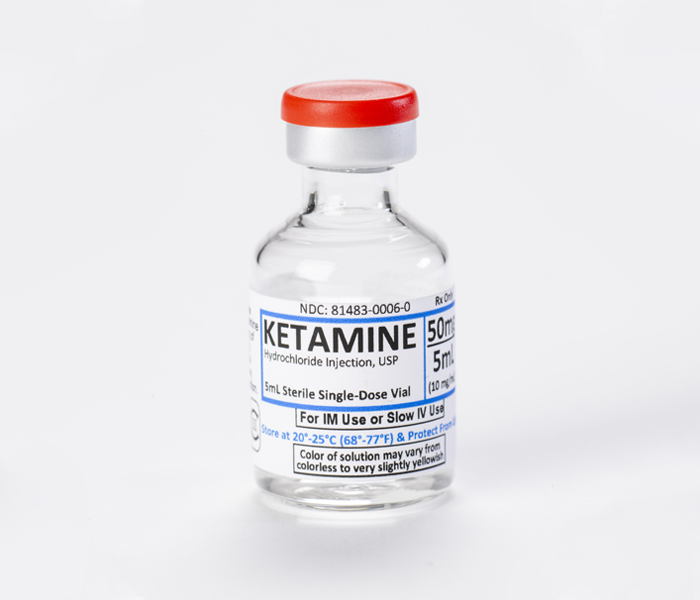
Ketamine Hydrochloride Solution
Everything You Need to Know About Ketamine Hydrochloride Solution
Ketamine Hydrochloride Solution is a powerful, fast-acting dissociative anesthetic that has gained remarkable attention for its medical, psychiatric, and off-label therapeutic applications. Originally developed as an anesthetic agent in the 1960s, ketamine has since evolved into one of the most studied and utilized compounds in both emergency medicine and mental health care. Moreover, the solution form of ketamine—specifically Ketamine Hydrochloride Solution—offers exceptional bioavailability and precise dosing, making it an increasingly popular format for clinical and therapeutic use.
In this comprehensive guide, we’ll explore every aspect of Ketamine Hydrochloride Solution. From its origins and chemical structure to its clinical applications, therapeutic potential, dosing protocols, side effects, and legal considerations, we cover it all in rich, transition-word-filled detail that is fully SEO optimized.
Table of Contents
- Introduction to Ketamine Hydrochloride Solution
- What Is Ketamine HCl Solution?
- A Brief History of Ketamine Use
- How Ketamine Works in the Brain and Body
- Forms of Ketamine Administration
- Why Choose the Solution Form?
- Medical Uses of Ketamine Hydrochloride Solution
- Psychiatric and Off-Label Applications
- Ketamine-Assisted Psychotherapy (KAP)
- Proper Dosage Guidelines
- Duration of Effects
- Benefits of Ketamine HCl Solution
- Risks and Potential Side Effects
- Harm Reduction Tips
- Legal Status Around the World
- Storage and Shelf Stability
- Final Thoughts on Responsible Use
Introduction to Ketamine Hydrochloride Solution
Ketamine Hydrochloride Solution is a sterile liquid form of ketamine that is usually administered through intravenous (IV) or intramuscular (IM) injection. This formulation offers a rapid onset of action and precise control over dosage, making it highly valuable in clinical settings. In addition to its traditional use as an anesthetic, ketamine’s dissociative and neuroplasticity-enhancing effects have led to its exploration as a groundbreaking treatment for various mental health conditions.
Furthermore, due to its wide range of applications, Ketamine HCl Solution is increasingly being incorporated into treatment protocols for depression, chronic pain, post-traumatic stress disorder (PTSD), and anxiety disorders. Its ability to induce a unique state of consciousness makes it particularly suitable for psychedelic-assisted therapy.
What Is Ketamine Hydrochloride Solution?
Ketamine Hydrochloride Solution is the injectable, liquid form of ketamine, typically presented in concentrations such as 10 mg/mL, 50 mg/mL, or 100 mg/mL. As a water-soluble compound, ketamine HCl is easy to prepare and administer, offering quick absorption and fast-acting results.
Unlike ketamine in powder or lozenge form, the solution ensures highly accurate dosing, which is especially important during medical procedures or controlled therapeutic sessions. Consequently, many clinics and hospitals prefer this format for precision and safety.
A Brief History of Ketamine Use
Originally synthesized in 1962 by Calvin Stevens, ketamine was first introduced as a safer alternative to phencyclidine (PCP). By 1970, the FDA approved ketamine for use as an anesthetic. It quickly became popular in both human and veterinary medicine due to its short duration of action and minimal suppression of respiratory functions.
Over time, researchers began observing ketamine’s unique psychoactive properties. These observations eventually led to numerous clinical trials investigating its efficacy in treating severe depression, suicidality, and trauma-related disorders. As a result, ketamine transitioned from a purely anesthetic agent to a multifaceted therapeutic compound.
How Ketamine Works in the Brain and Body
Ketamine primarily functions as an NMDA (N-methyl-D-aspartate) receptor antagonist. By blocking these receptors, it disrupts glutamate transmission, which leads to its characteristic dissociative effects. Additionally, ketamine activates AMPA receptors and increases levels of brain-derived neurotrophic factor (BDNF), which plays a crucial role in neuroplasticity.
This neuroplastic enhancement is believed to contribute significantly to its antidepressant and anti-anxiety effects. Furthermore, ketamine’s interaction with the opioid and monoaminergic systems also helps regulate pain and mood.
Forms of Ketamine Administration
Ketamine can be administered in several forms, including:
- Intravenous (IV) Infusion– Fast-acting and highly bioavailable
- Intramuscular (IM) Injection– Slightly slower than IV but still potent
- Intranasal Spray– Moderate onset; used in clinical settings and home-based treatments
- Sublingual Lozenge or Troche– Slower onset; popular for at-home therapy
- Oral Tablet or Capsule– Least bioavailable; used primarily for microdosing
Although all forms have therapeutic value, Ketamine Hydrochloride Solution is favored in acute clinical scenarios due to its rapid onset and precise control.
Why Choose the Ketamine Hydrochloride Solution Form?
There are several compelling reasons to use Ketamine Hydrochloride Solution over other forms:
- Precise Dosing– Accurate milligram-by-milligram control
- Fast Onset– Especially via IV (2–5 minutes)
- High Bioavailability– Ensures maximum absorption
- Sterility and Safety– Less risk of contamination
- Versatile Use– Suitable for both anesthesia and therapy
Moreover, clinicians can titrate doses in real-time based on patient response, which is crucial for safety and efficacy.
Medical Uses of Ketamine Hydrochloride Solution
Traditionally, ketamine has been used for:
- Anesthesia during surgery
- Pain relief in emergency medicine
- Sedation in intensive care units (ICU)
- Burn wound dressing and debridement
- Pediatric procedures
Its ability to provide anesthesia without significantly affecting breathing makes it ideal for resource-limited or high-risk environments.
Psychiatric and Off-Label Applications
In recent years, off-label psychiatric applications of Ketamine Hydrochloride Solution have grown rapidly. These include:
- Major Depressive Disorder (MDD)
- Bipolar Depression
- Treatment-Resistant Depression (TRD)
- Post-Traumatic Stress Disorder (PTSD)
- Generalized Anxiety Disorder (GAD)
- Obsessive-Compulsive Disorder (OCD)
Clinical studies have shown rapid symptom relief—sometimes within hours—for patients unresponsive to traditional medications. As a result, ketamine infusion therapy has become a viable option in many psychiatric practices.
Ketamine-Assisted Psychotherapy (KAP)
Ketamine-Assisted Psychotherapy (KAP) combines the chemical effects of ketamine with talk therapy, typically in a controlled clinical environment. During a session, patients receive a low-to-moderate dose of ketamine, followed by therapeutic guidance from a trained professional.
This integrative model enhances emotional release, memory reconsolidation, and trauma processing. Additionally, the altered state induced by ketamine can allow clients to explore thoughts and feelings they may otherwise suppress.
Proper Dosage Guidelines
Dosing depends heavily on the route of administration, treatment goals, and individual physiology. However, general IV dosage guidelines include:
- Subanesthetic Dose (psychiatric use):0.5–1 mg/kg over 40 minutes
- Moderate Dose:1–2 mg/kg
- Anesthetic Dose:2–4.5 mg/kg (with medical monitoring)
It is essential to have medical supervision and dosing protocols in place, especially when using Ketamine HCl Solution for psychiatric purposes.
Duration of Effects
The effects of Ketamine Hydrochloride Solution vary based on dosage and route of administration:
- Onset:2–5 minutes (IV), 5–10 minutes (IM)
- Peak Effects:15–30 minutes
- Duration:45–90 minutes
- Afterglow:1–3 days of mood elevation and clarity
Patients often report feeling calm, emotionally open, and mentally clear for days after treatment.
Benefits of Ketamine HCl Solution
The solution format offers multiple therapeutic advantages:
- Rapid relief from depression and anxiety
- Increased neuroplasticity
- Enhanced emotional insight during therapy
- Pain management without respiratory depression
- Lower risk of long-term dependency compared to opioids
Additionally, repeated treatments under supervision may contribute to long-lasting improvements in mental health.
Risks and Potential Side Effects
Despite its benefits, Ketamine Hydrochloride Solution does have potential risks:
- Nausea or vomiting
- Dissociation or confusion
- Dizziness or loss of balance
- Elevated blood pressure or heart rate
- Short-term memory issues
With chronic misuse, risks may include urinary tract issues and psychological dependence. Thus, professional oversight is critical.
Harm Reduction Tips
To use Ketamine HCl Solution safely and responsibly, it is crucial to follow established harm reduction practices. Therefore, consider the following essential tips:
- Alwaysreceive treatment from licensed professionals, as they ensure proper dosing and monitor safety throughout the session.
- Additionally, monitor heart rate and blood pressure during sessions to detect any adverse physiological reactions early.
- Moreover, avoid alcohol and sedatives before treatment to reduce the risk of dangerous interactions.
- Before starting, discuss all current medications with your doctor to prevent any contraindications or complications.
- Finally, engage in post-session integration activities, which may include reflection, meditation, or guided therapy to solidify insights.
Furthermore, practicing mindfulness, journaling, or attending therapy sessions afterward can significantly help make the most of the experience. These activities encourage emotional clarity and reinforce long-term healing.
Legal Status Around the World
The legal status of ketamine varies globally, and staying informed is essential to avoid legal consequences. Here’s a general overview:
- United States:Schedule III controlled substance (legal with prescription)
- Canada:Schedule I (prescription required)
- United Kingdom:Class B drug (medical use permitted)
- Australia:Schedule 8 controlled drug
- India and Southeast Asia:Regulated but available in hospital settings
It is legal for medical use in many countries. However, it is illegal for recreational possession in most jurisdictions. Therefore, understanding your local laws before obtaining or using Ketamine Hydrochloride Solution is absolutely essential.
Storage and Shelf Stability
Proper storage of Ketamine Hydrochloride Solution ensures both its potency and safety. Thus, following these storage guidelines is highly recommended:
- Storeat room temperature (15–30°C / 59–86°F) to maintain chemical stability.
- Additionally, keep vials in their original packaging to prevent contamination.
- Furthermore, protect the solution from direct light and moisture, as exposure may degrade its effectiveness.
- Lastly, do not use the product past its expiration date, as it may lose efficacy or become unsafe.
When stored correctly and under ideal conditions, Ketamine HCl Solution can remain stable and therapeutically effective for several years.
Final Thoughts on Responsible Use
In conclusion, Ketamine Hydrochloride Solution represents one of the most versatile and powerful tools in modern medicine and mental health treatment. Whether used for anesthesia, chronic pain, or therapeutic breakthroughs, it provides fast, effective, and reliable results when administered responsibly.
By choosing a medically supervised environment, following evidence-based protocols, and integrating each experience with intention, users can unlock ketamine’s full potential safely. As research continues to evolve, Ketamine HCl Solution may very well shape the future of personalized medicine and psychedelic therapy.
Reviews
There are no reviews yet.